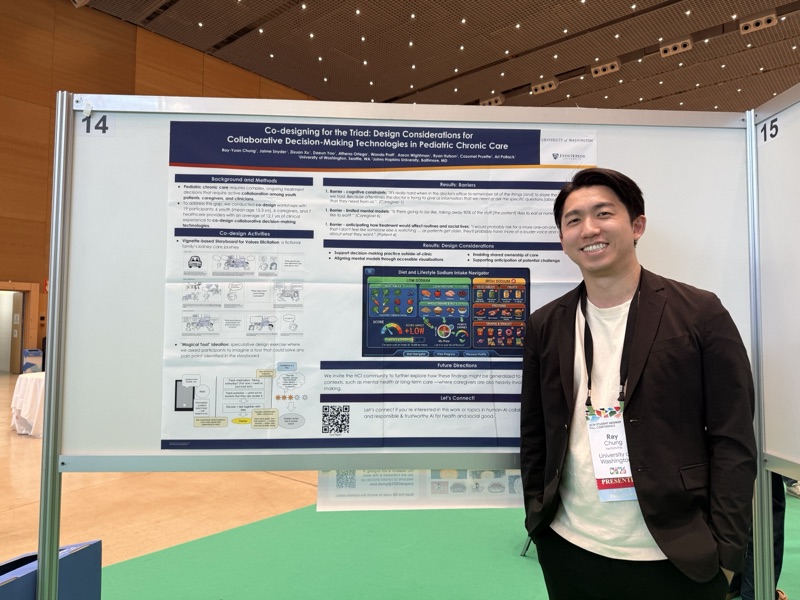
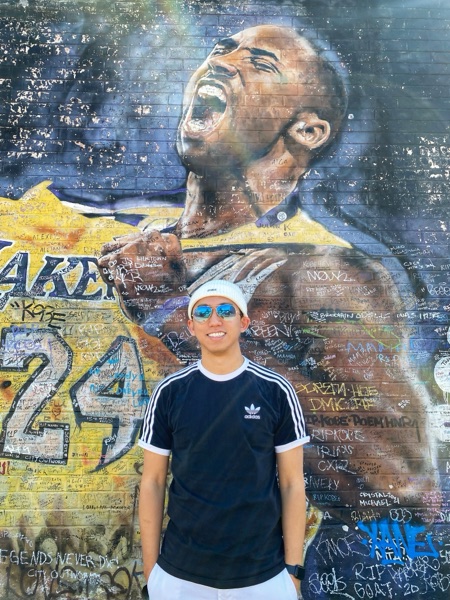
Hi, I'm Ray, a final-year PhD candidate at the University of Washington. I design, build, and evaluate human-centered AI systems that support human collaboration and decision-making, drawing on my HCI and clinical background. Previously, I built AI products at Unita Health AI and ran UX research at Dexcom.
|AI Research Engineer · AI Product Lead · Registered Dietitian · UX Researcher
About Me
I’m a PhD candidate studying human-centered AI at the University of Washington, advised by Ari Pollack and Wanda Pratt, and a visiting researcher at Columbia University’s SEA Lab with Xuhai “Orson” Xu. I build and evaluate AI systems across personal AI agents, human–AI collaboration, LLM-based human behavior simulation, and responsible AI. My work has been published at top venues including ACM CHI, AMIA, and Nutrients.
I earned my master’s at the University of Michigan and worked as a dietitian, research scientist, and AI product lead at tech companies, including Impossible Foods, Unita Health AI, and Dexcom. I combined my clinical background with AI/ML and user research methods to build products that tackle real-world challenges for clinicians and health consumers.
I’m inspired by the late, great Kobe Bryant’s Mamba Mentality — his relentless commitment to inspiring others through his passion and knowledge. Outside of research, I enjoy traveling, basketball, and golf. If my work resonates with you, let’s connect!
Go Blue!Go Dawgs!
Open to Opportunities
Currently seeking full-time positions such as Applied Scientist, Research Engineer, or other technical product roles in the following areas:
Generative AIHuman-AI CollaborationResponsible AIAgentic AIHealth & Social Technologies
🔭 Current Work
Empowering Domain Experts to Build Personal AI Agents for Asynchronous Collaboration
Agentic AIHuman-AI Collaboration
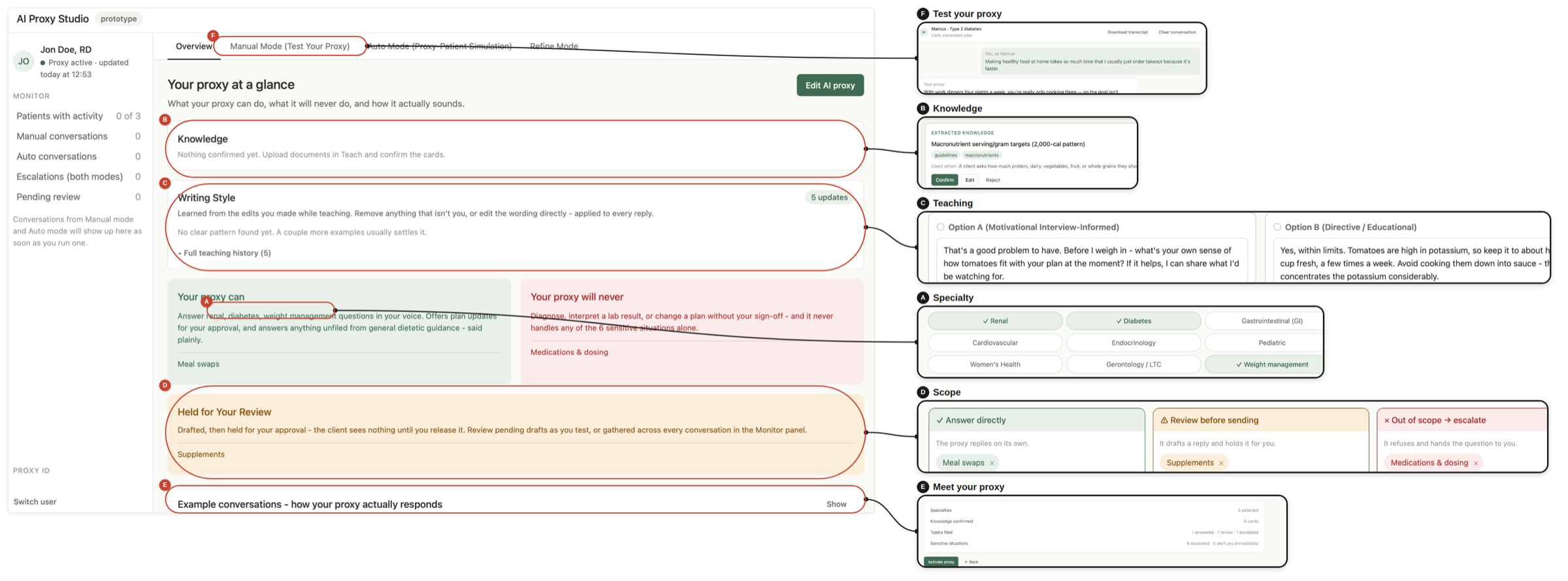
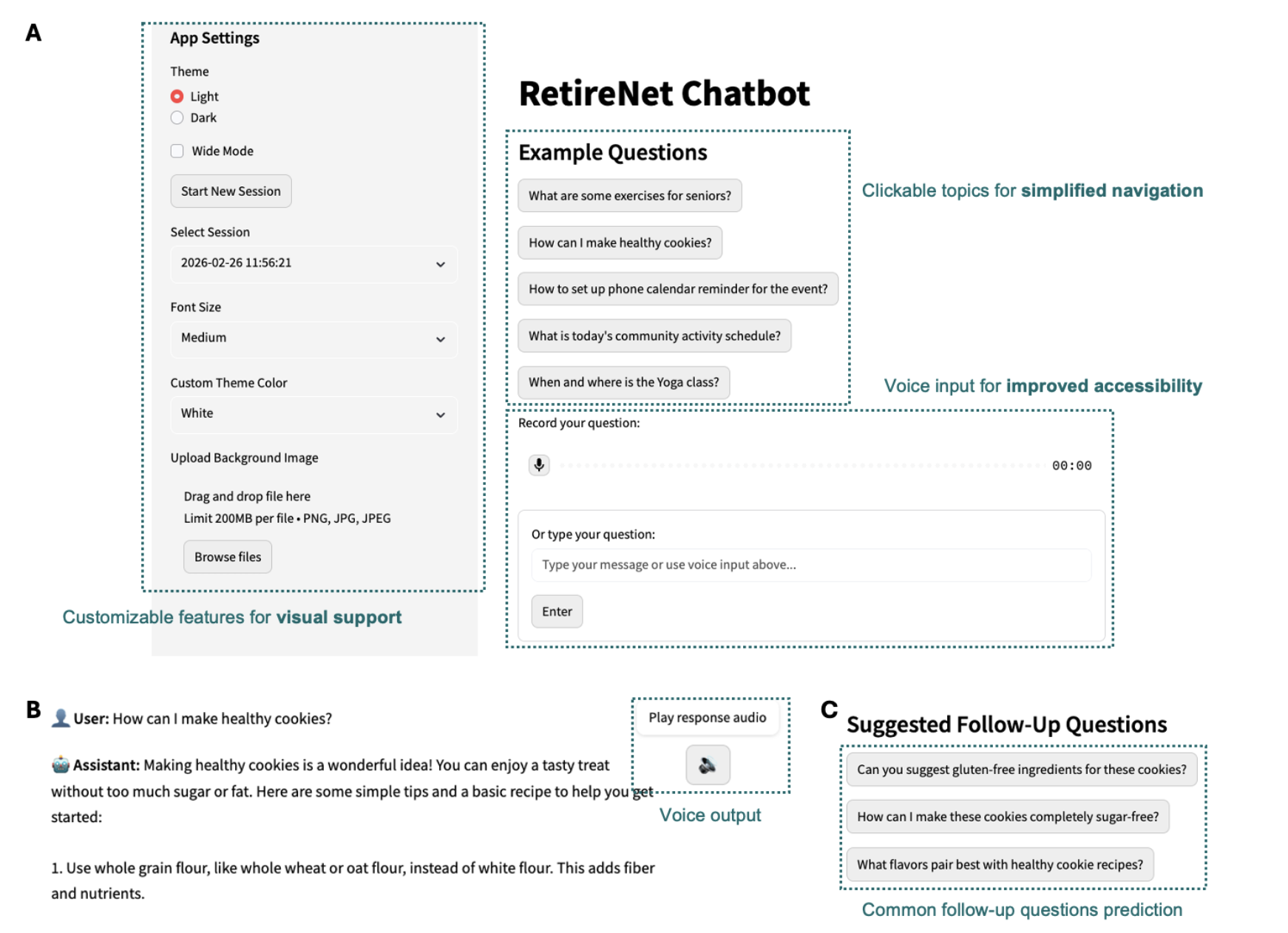
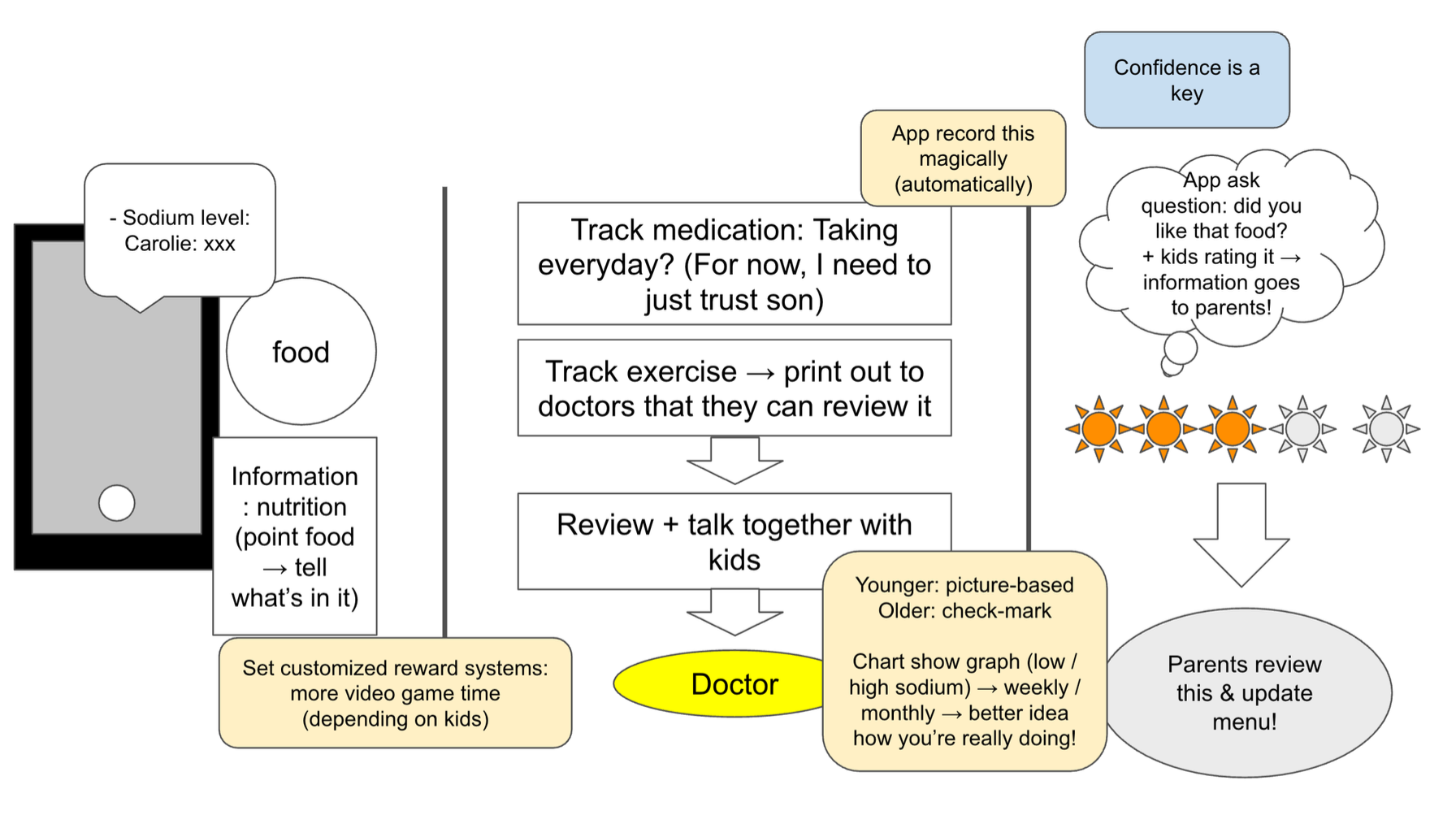
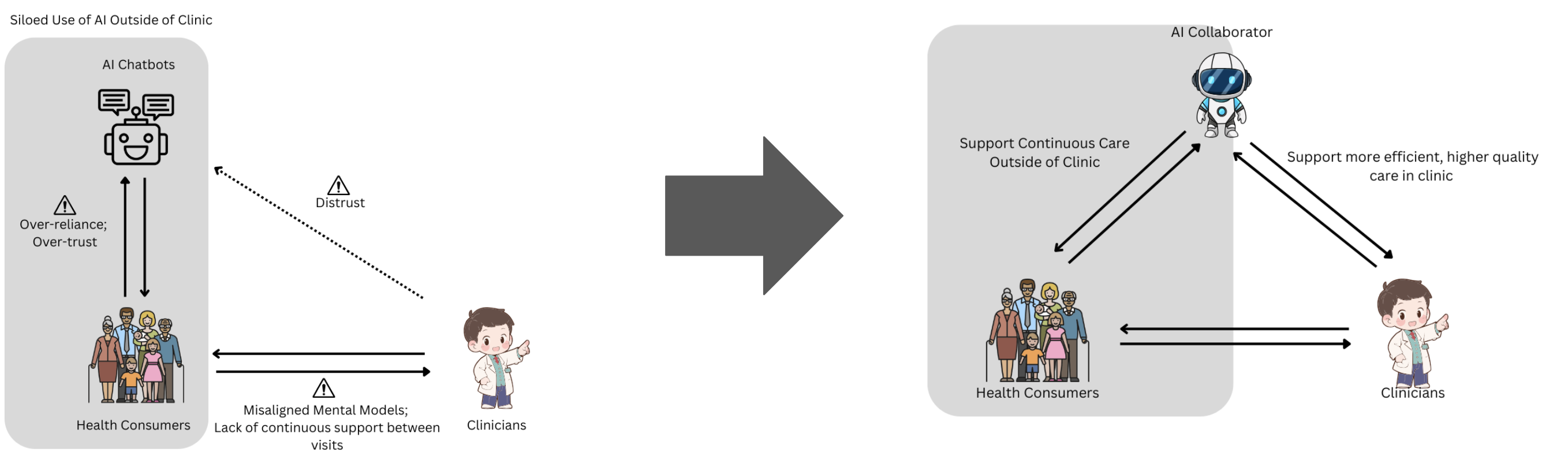
We are entering an era in which people will increasingly interact with AI agents created by other humans. In this project, we investigate what it takes for domain experts to build AI proxies—AI agents that represent their voice and knowledge to provide continuous support for patients. We built a multi-agent system with integrated simulated patients that lets domain experts author and test their proxies. The authoring system will soon be open-sourced, and we are developing evaluation metrics for AI proxies.
User Trust Calibration in AI Systems
Human-AI CollaborationResponsible AI
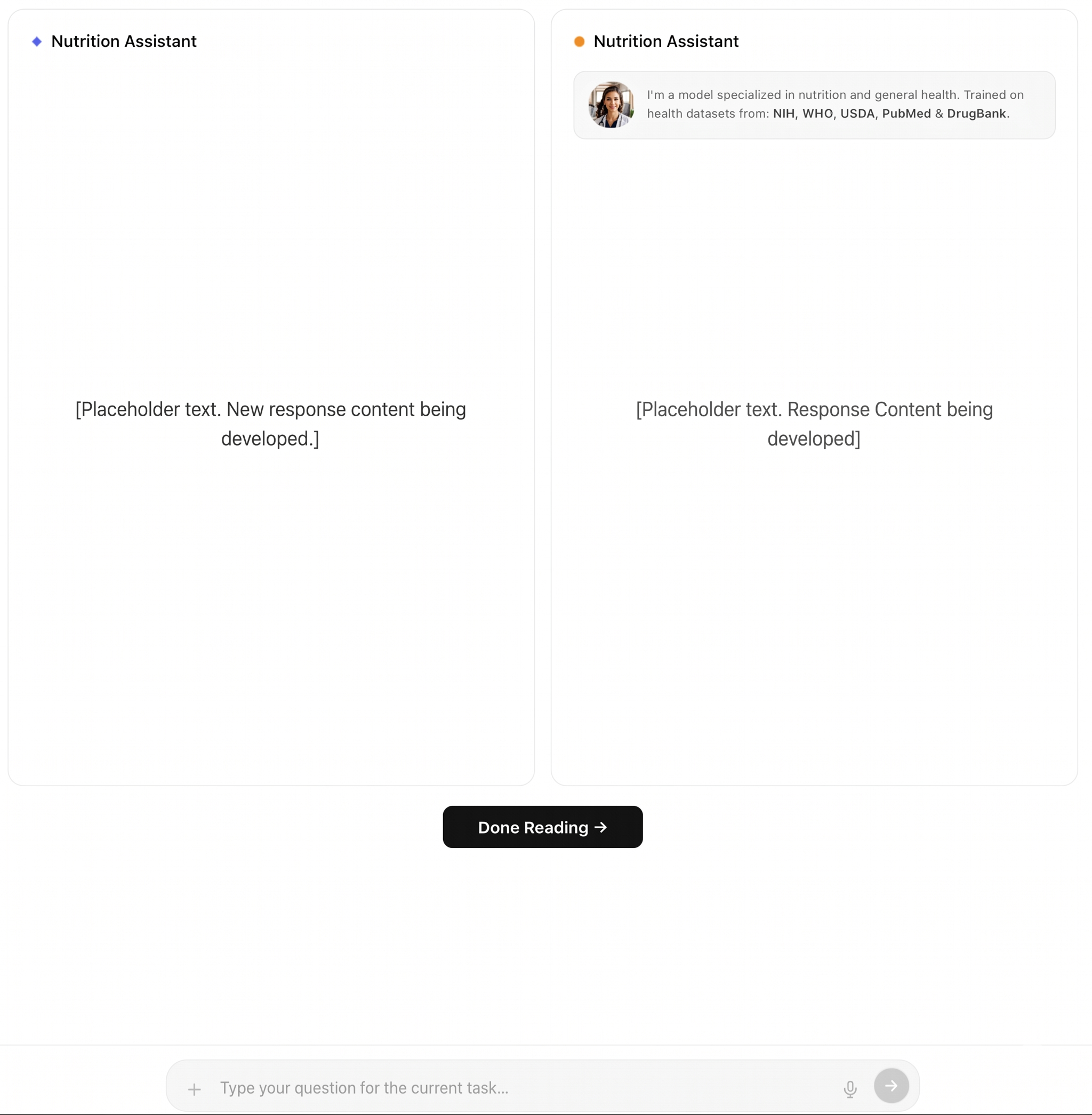
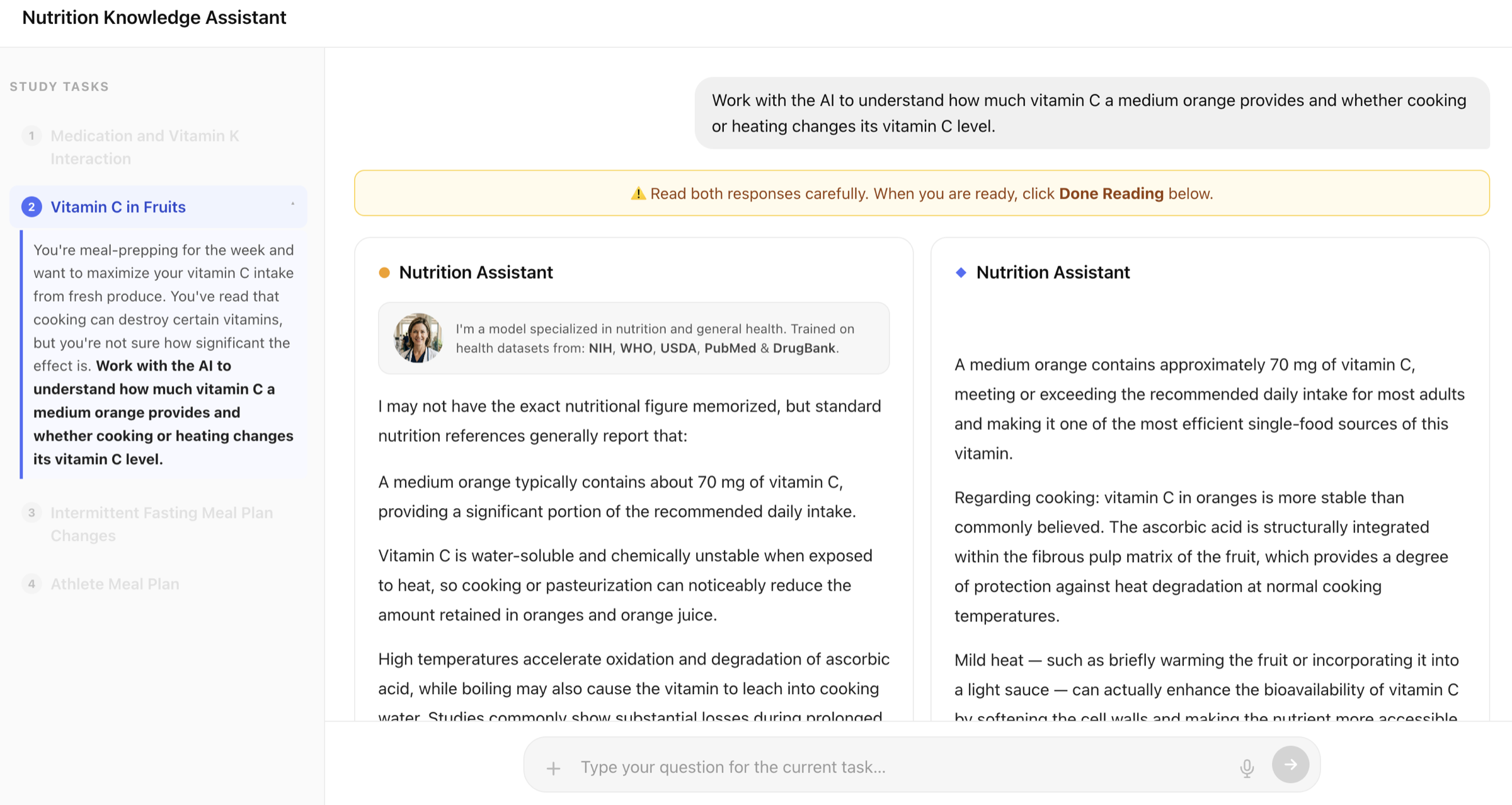
Trust is a key metric when humans rely on AI systems to make decisions. I developed an interactive QA system to evaluate how AI interface features and model behaviors affect users’ trust calibration. Findings will inform design guidelines for trustworthy AI systems used in high-stakes settings.
LLMs for Human Value Elicitation and Mediation
Human-AI CollaborationResponsible AI
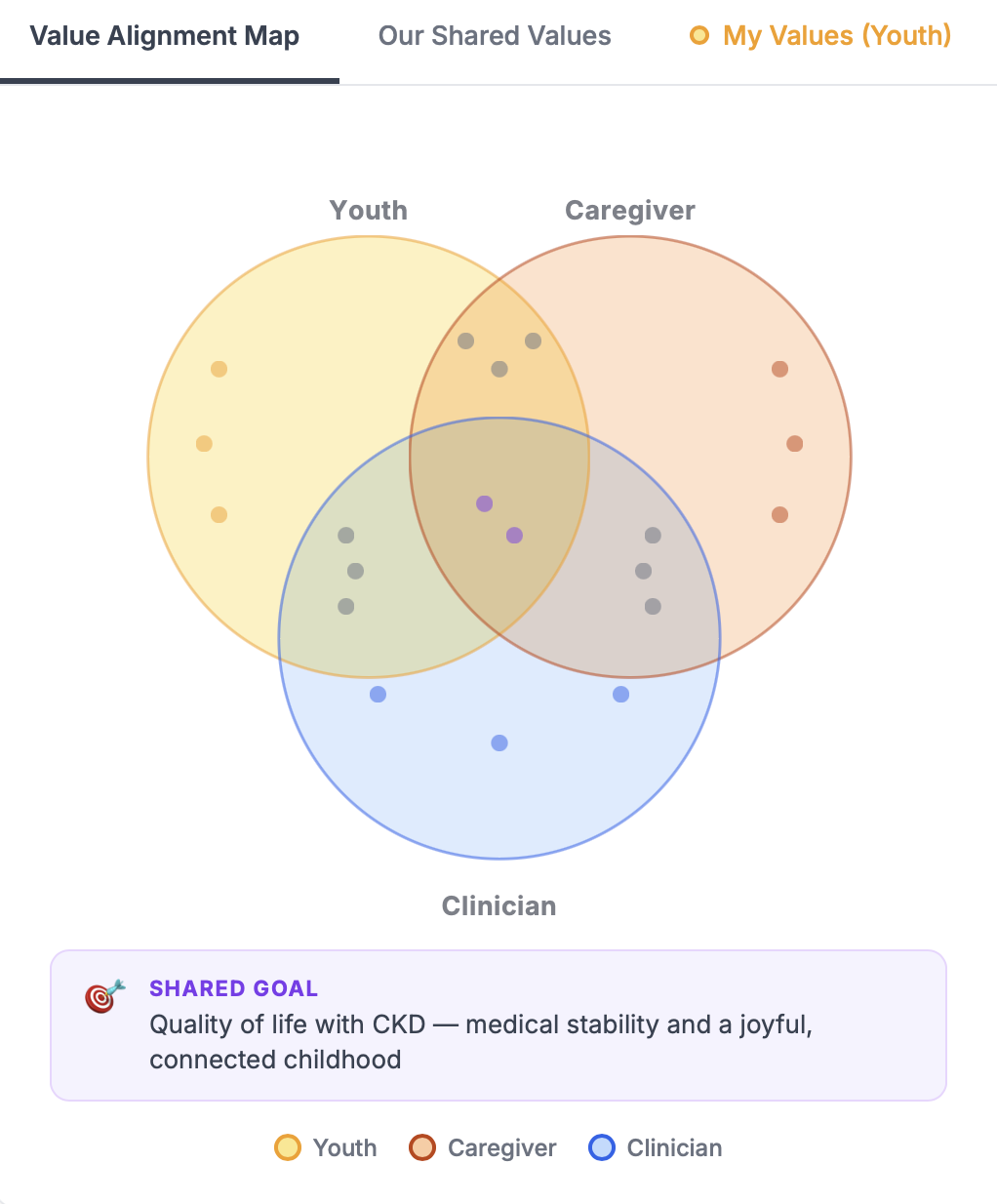
Value alignment has become a central challenge as LLMs are increasingly used to understand what humans care about. We are studying how LLMs can support the elicitation, extraction, and visualization of individual values from open-ended conversations and personal stories, and whether they can act as value mediators that bridge personal values and goals to support collaborative decisions.
📚 Selected Publications
1.ExTENDS: Empowering Domain Experts to Build Personalized AI Proxies for Asynchronous Patient Care
Agentic AIHuman-AI Collaboration
Ray-Yuan Chung, Muying Li, Millie Wu, Ari Pollack, Wanda Pratt, Lena Mamykina, Xuhai "Orson" Xu. ACM CHI (2027). Conditionally Accepted.
2.“It Helped Me Understand, But…”: Examining Trust Calibration in Health AI Among Lay Health Consumers and Patients
Human-AI CollaborationResponsible AI
Ray-Yuan Chung, Athena Ortega, Xuhai "Orson" Xu, Wanda Pratt, Ari Pollack. In Submission (2026).