
Publications
Conference Papers
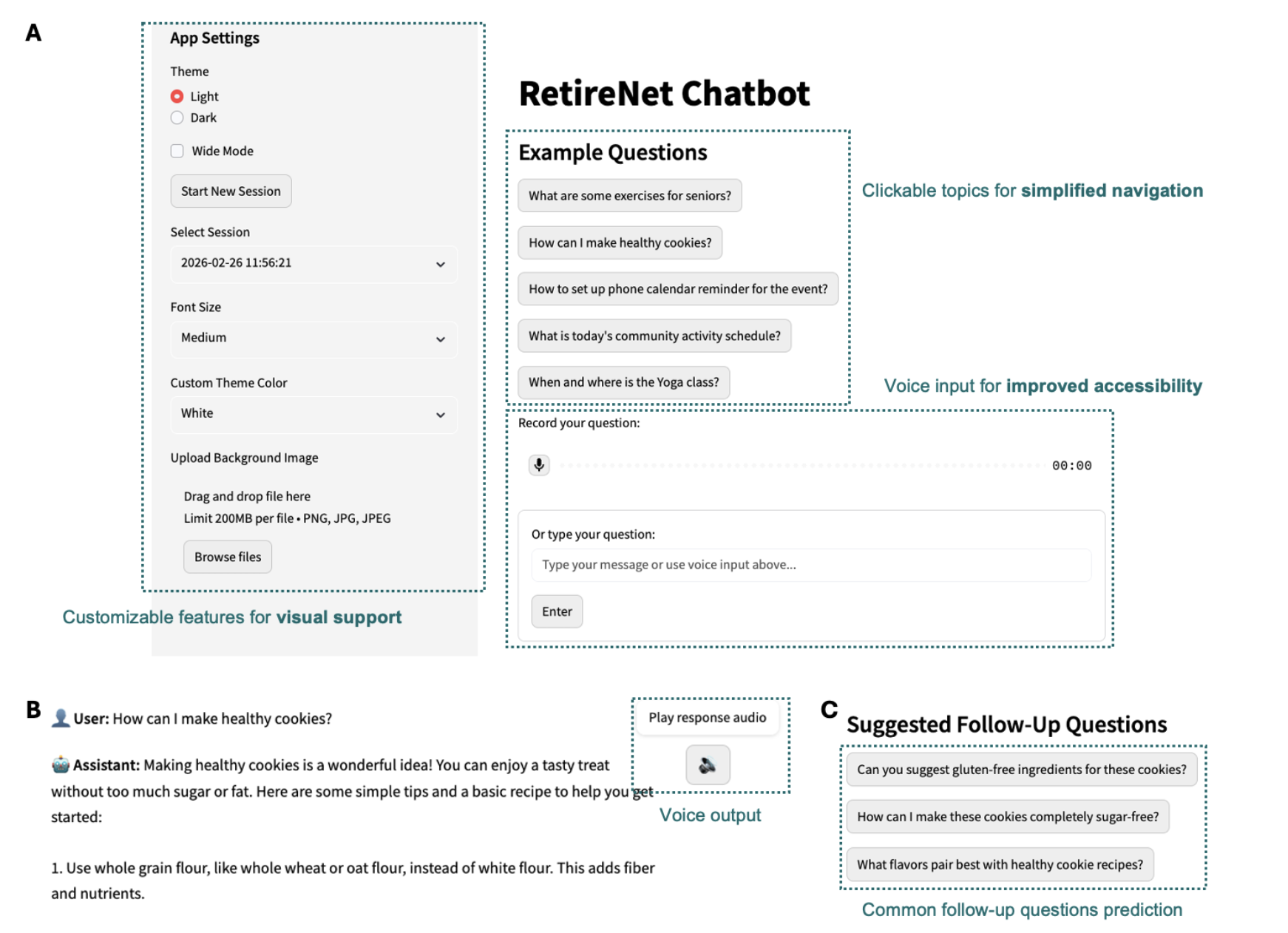
Bridging the Cognitive Gap: Co-Designing and Evaluating a Voice-Enabled Community Chatbot for Older Adults
AMIA (2026)
We evaluated a voice-enabled AI chatbot at a retirement community using a mixed-methods study with 25 participants. Our Glass Box framework combined accessibility features with AI education to address digital barriers for older adults. Results showed significant improvements in technical understanding and perceived transparency (both p<0.01). While voice input reduced cognitive strain, participants aged 80+ experienced notably lower usability scores (r=−0.50), suggesting that effective AI interfaces for seniors require evolution beyond touch-based toward zero-touch navigation.
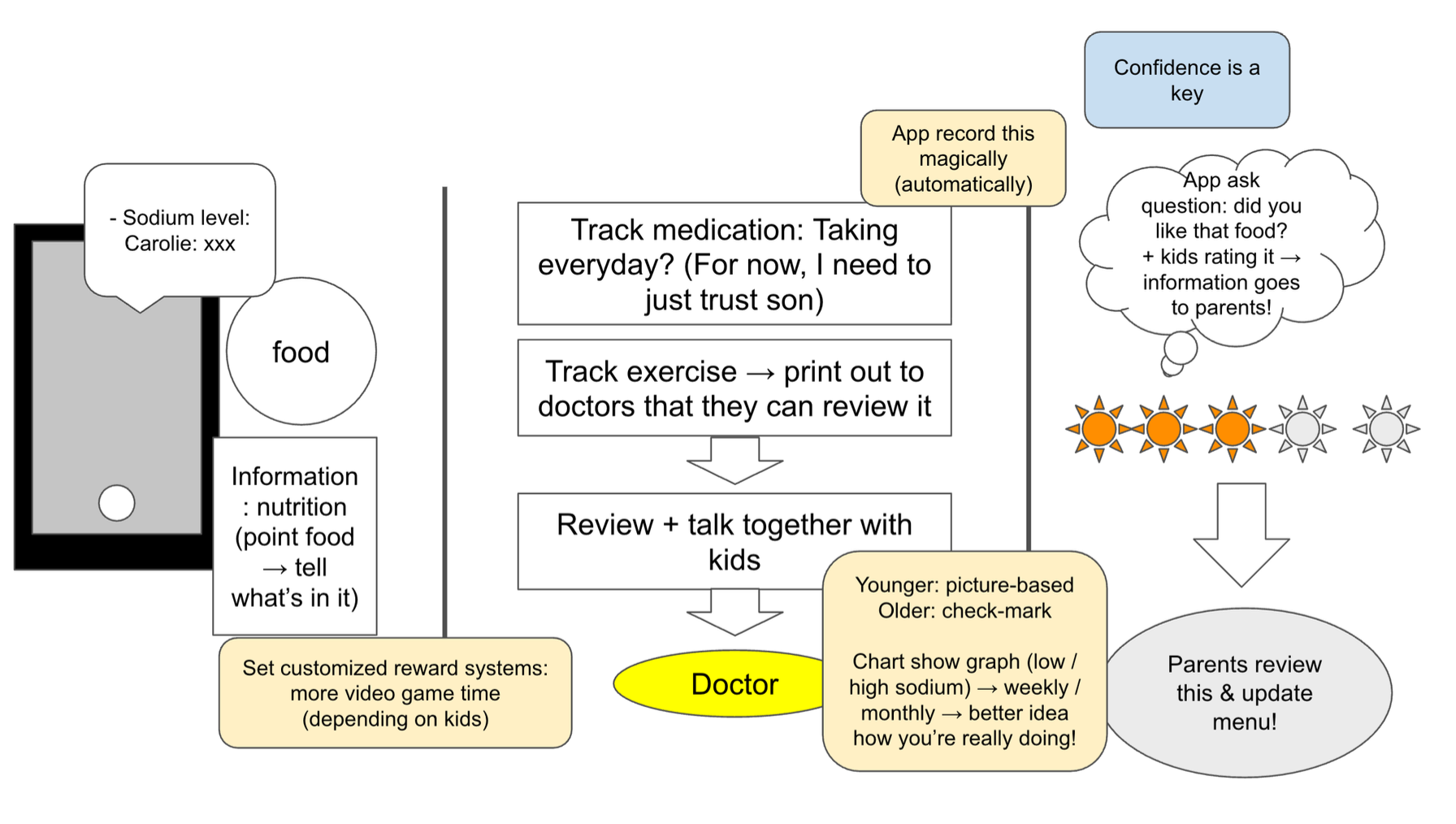
Co-designing for the Triad: Design Considerations for Collaborative Decision-Making Technologies in Pediatric Chronic Care
ACM CHI (2026)
In pediatric chronic care, the triadic relationship among patients, caregivers, and healthcare providers introduces unique challenges for youth in managing their conditions. Diverging values, roles, and asymmetrical situational awareness across decision-maker groups often hinder collaboration and affect health outcomes, highlighting the need to support collaborative decision-making. We conducted co-design workshops with 6 youth with chronic kidney disease, 6 caregivers, and 7 healthcare providers to explore how digital technologies can be designed to support collaborative decision-making. Findings identify barriers across all levels of situational awareness, ranging from individual cognitive and emotional constraints, misaligned mental models, to relational conflicts regarding care goals. We propose design implications that support continuous decision-making practice, align mental models, balance caregiver support and youth autonomy development, and surface potential care challenges. This work advances the design of collaborative decision-making technologies that promote shared understanding and empower families in pediatric chronic care.
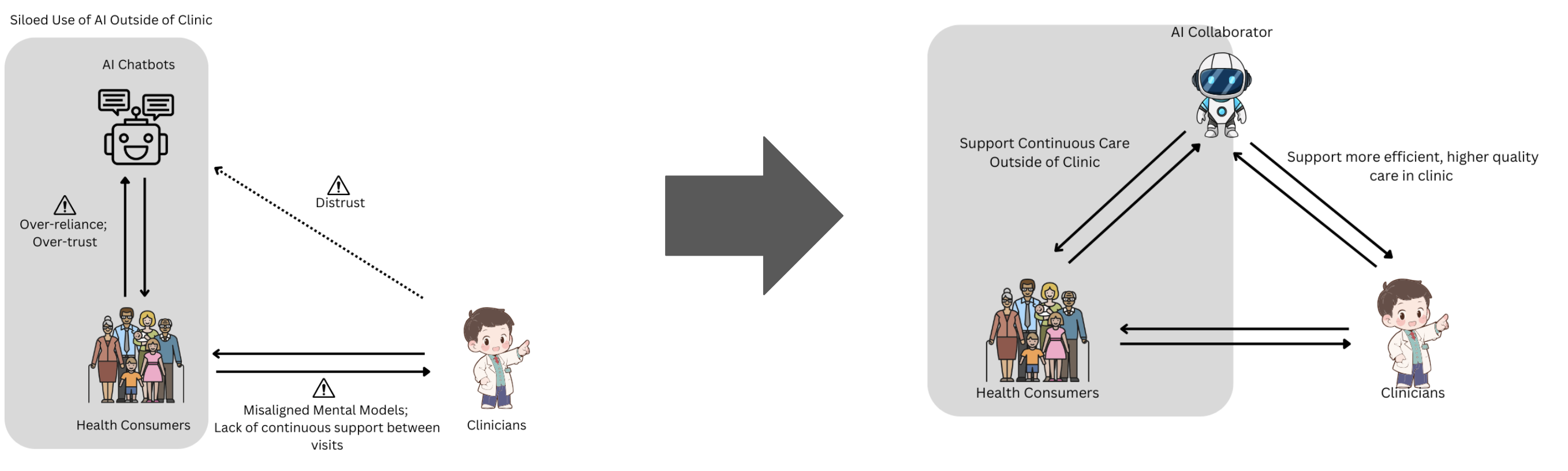
Rethinking Health Agents: From Siloed AI to Collaborative Decision Mediators
Workshop on Human-Agent Collaboration, ACM CHI (2026)
We challenge the conventional approach of deploying AI health assistants as standalone tools and propose a framework for AI systems that function as collaborative decision mediators embedded within multi-party care interactions. Using a pediatric kidney disease case, we demonstrate how fragmented information and conflicting objectives between patients, caregivers, and clinicians undermine treatment adherence. We propose design principles for AI systems that share contextual information, align differing perspectives, and strengthen mutual understanding while preserving human control over medical decisions.
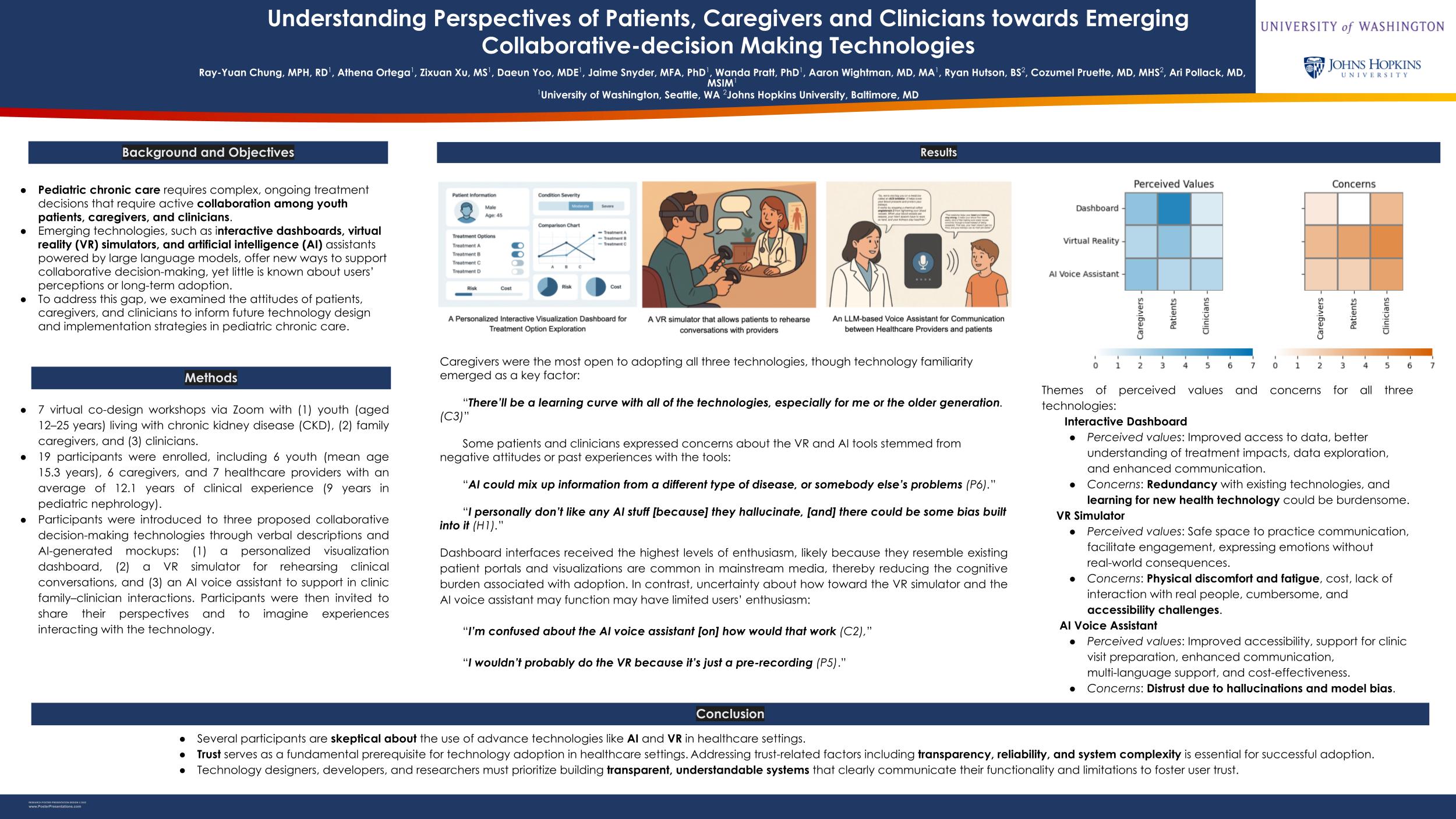
Understanding Perspectives of Patients, Caregivers and Clinicians towards Emerging Collaborative-decision Making Technologies
The Workshop on Interactive Systems in Healthcare (WISH), AMIA (2025)
In pediatrics, patients, caregivers, and clinicians share responsibility for health decisions, but limited collaboration can undermine outcomes. We conducted a qualitative study examining decision-makers perceptions toward collaborative decision-making technologies, including interactive dashboards, VR simulators, and AI voice assistants. Findings reveal differences in user opinions across groups and indicate technology acceptance is linked to users trust of these technologies. Technology developers and researchers need to explore design and implementation strategies that build and facilitate trust or appropriate distrust between users and these novel technologies before these tools can effectively support collaborative decision-making.
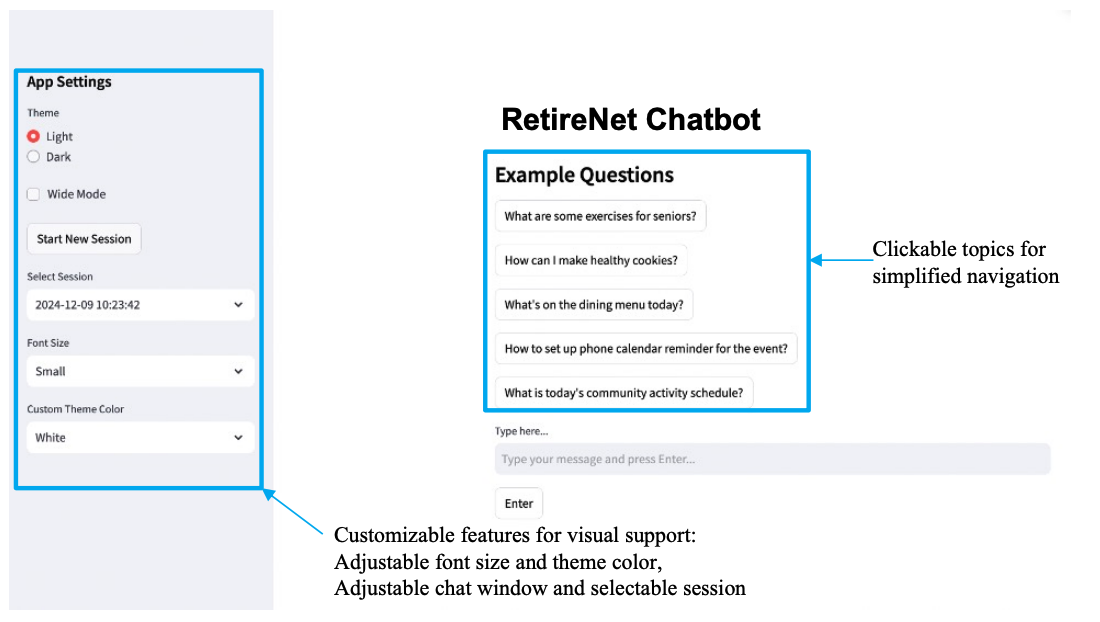
Learning from Elders: Making an LLM-powered Chatbot for Retirement Communities more Accessible through User-centered Design
The Workshop on Cultural and Linguistic Diversity in AI Applications (CALD-AI), ASIS&T (2025)
We designed a human-centered, LLM-powered chatbot to support older adults in a retirement community, focusing on accessibility and digital literacy. Using interviews and persona development, we built a dual-function tool for information access and tech education. A pilot showed high satisfaction, leading to refinements with GPT-3.5 Turbo, Streamlit, and accessible UI features. The project demonstrates how LLMs can empower older adults through personalized, low-barrier digital support.

Toward Automated Detection of Biased Social Signals from the Content of Clinical Conversations
AMIA (2025)
We developed an automated pipeline using ASR and NLP to detect social signals in 782 patient-provider conversations, achieving 90.1% accuracy and fair performance across racial groups. The system uncovered clear disparities—providers showed more warmth and engagement toward white patients—highlighting how AI can surface subtle, bias-related patterns in clinical communication.
Journal Articles
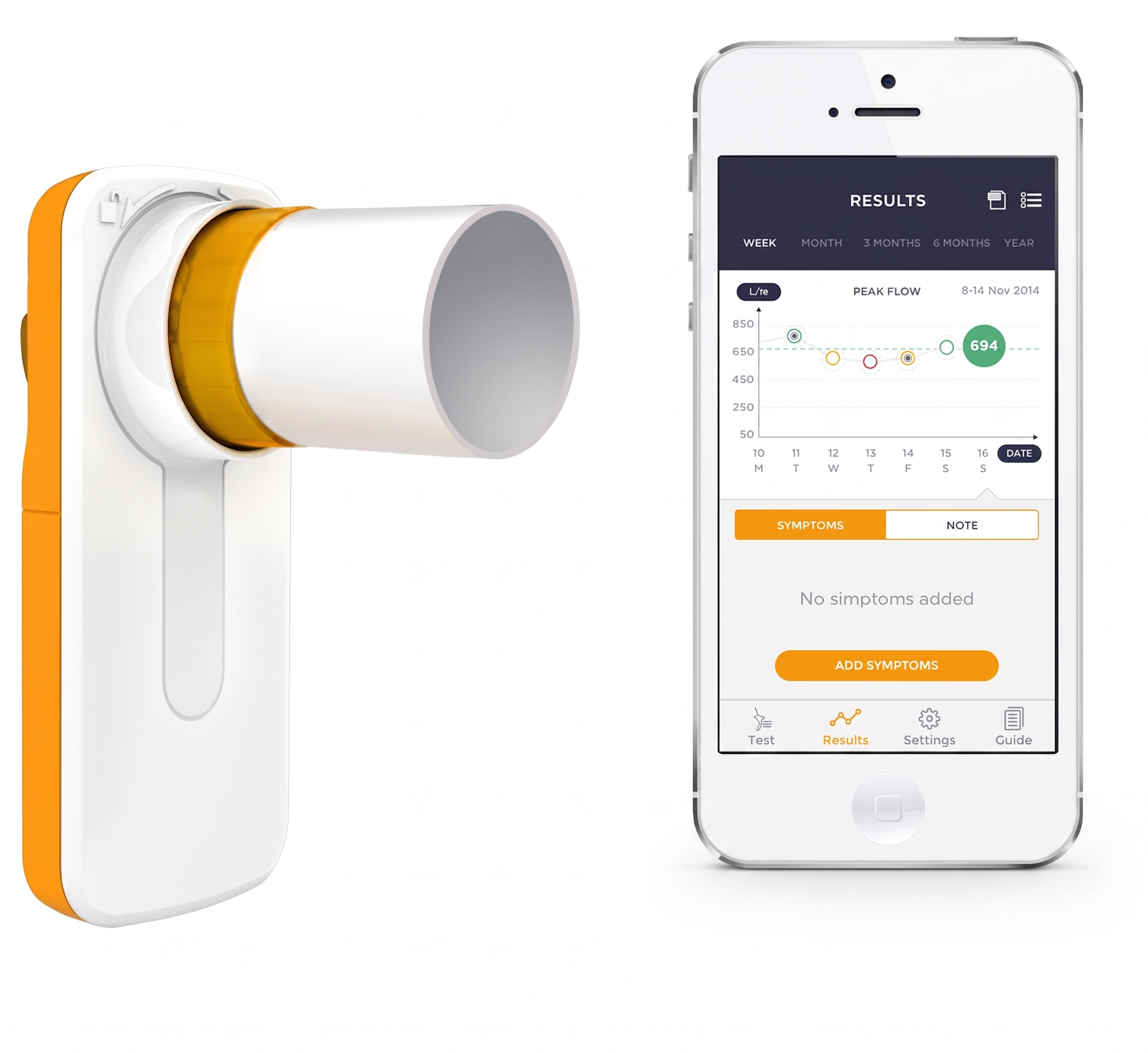
Are we ready for home spirometry? Patient and family perspectives on innovations for home spirometry implementation in youth with CF
Journal of Cystic Fibrosis (2025)
Participants rated standardized implementation of pediatric home spirometry as highly feasible and acceptable, valuing its accessibility for self-monitoring. However, many reported challenges incorporating it into daily routines. Enthusiastic, timely support from interdisciplinary care teams was a key program facilitator, underscoring the need for dedicated staff to sustain family engagement and ensure successful integration into routine care. These findings highlight lived experience with home spirometry and suggest ways to strengthen implementation in the future.
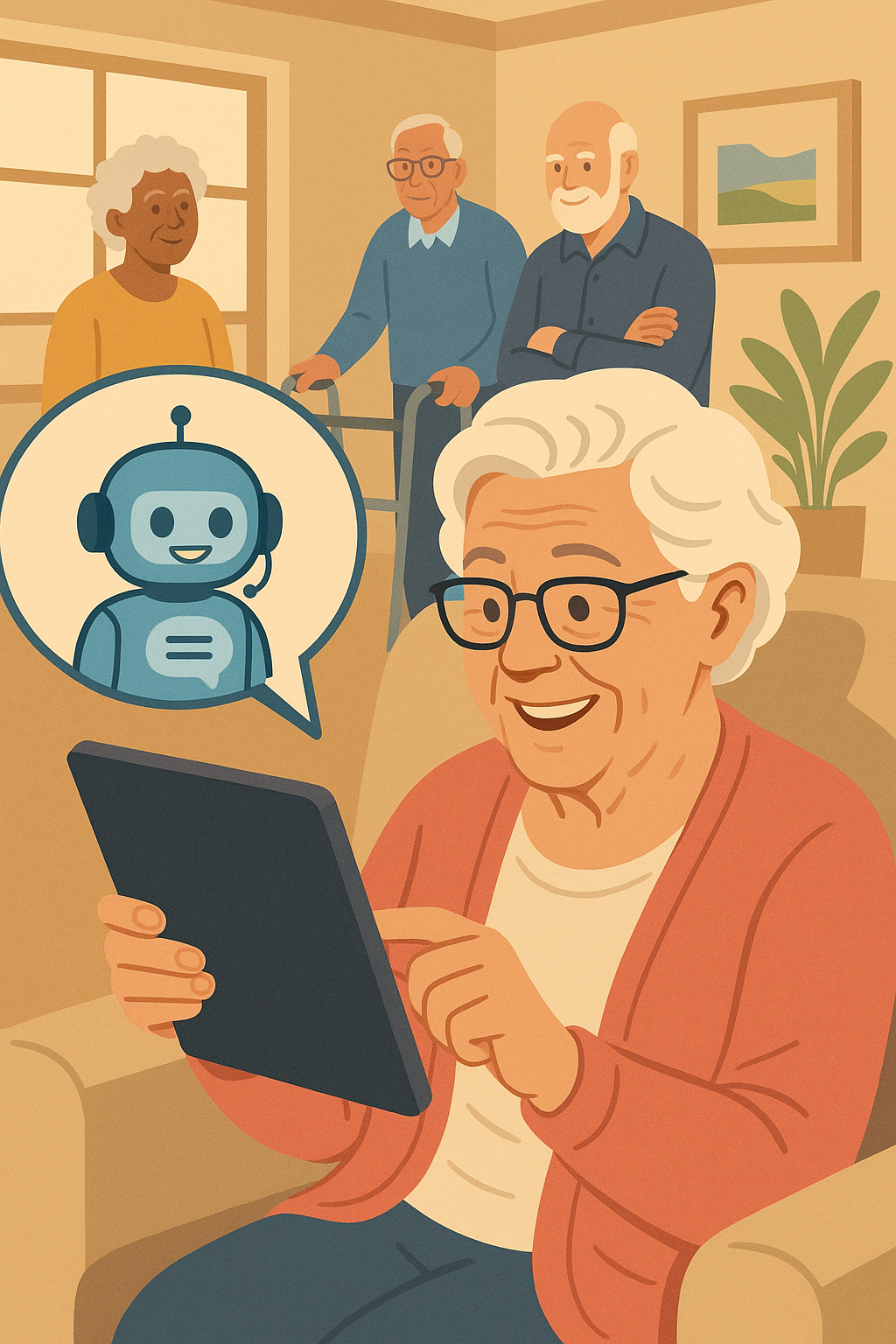
Improve Technology and eHealth Literacy in a Retirement Community via the Use of LLM-Powered Chatbot
Innovation in Aging (2024)
We developed an LLM-powered chatbot using a human-centered design approach to support older adults in a retirement community with low tech and eHealth literacy. The chatbot offers accessible, conversational assistance for both navigating community resources and improving digital literacy. Features like large text, high-contrast themes, and voice interaction enhance usability. In a pilot trial, residents successfully completed tasks and reported high satisfaction, suggesting the chatbots potential to empower older adults through intuitive, low-barrier technology.
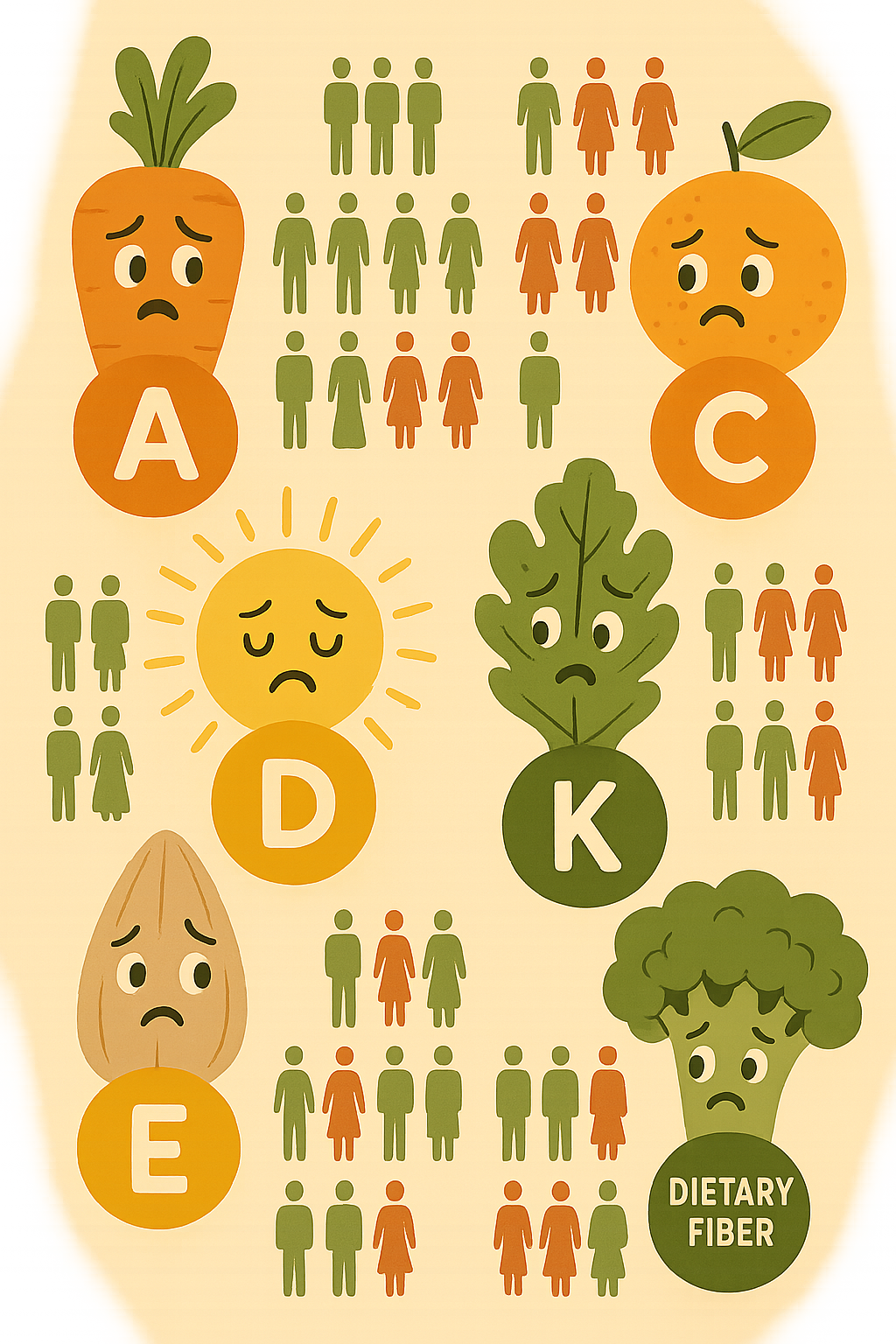
Nutrient Gaps in US Adults by Age and Gender: Vitamin A, D, E, K, C, Magnesium, Calcium, Choline and Dietary Fiber
Journal of the Academy of Nutrition and Dietetics (2020)
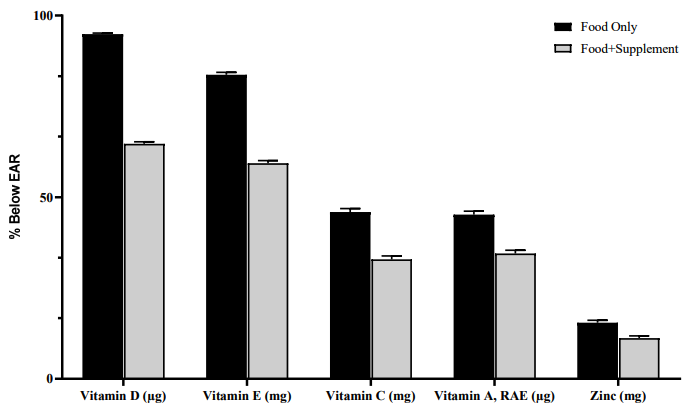
Inadequacy of immune health nutrients: intakes in US adults, the 2005--2016 NHANES
Nutrients (2020)
An analysis of NHANES data from 26,282 U.S. adults revealed widespread inadequacies in key immune-supporting micronutrients, with over 95% deficient in vitamin D and over 80% in vitamin E. Using nationally representative intake estimates, the study highlights how these gaps may impair immune function. Supplement use was associated with reduced prevalence of inadequacy. The findings underscore the need for public health efforts to promote adequate intake of vitamins A, C, D, E, and zinc to support immune health.